
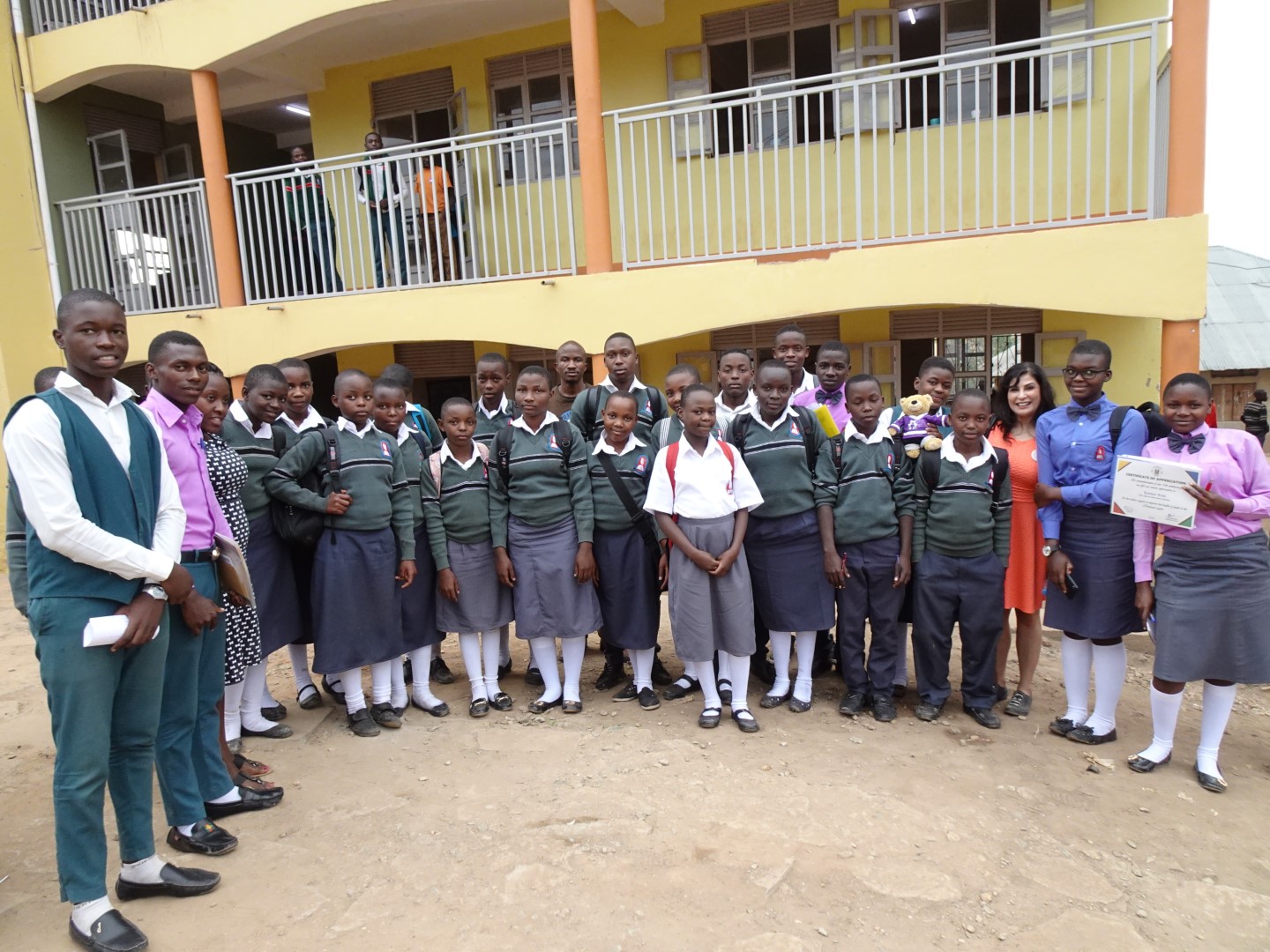
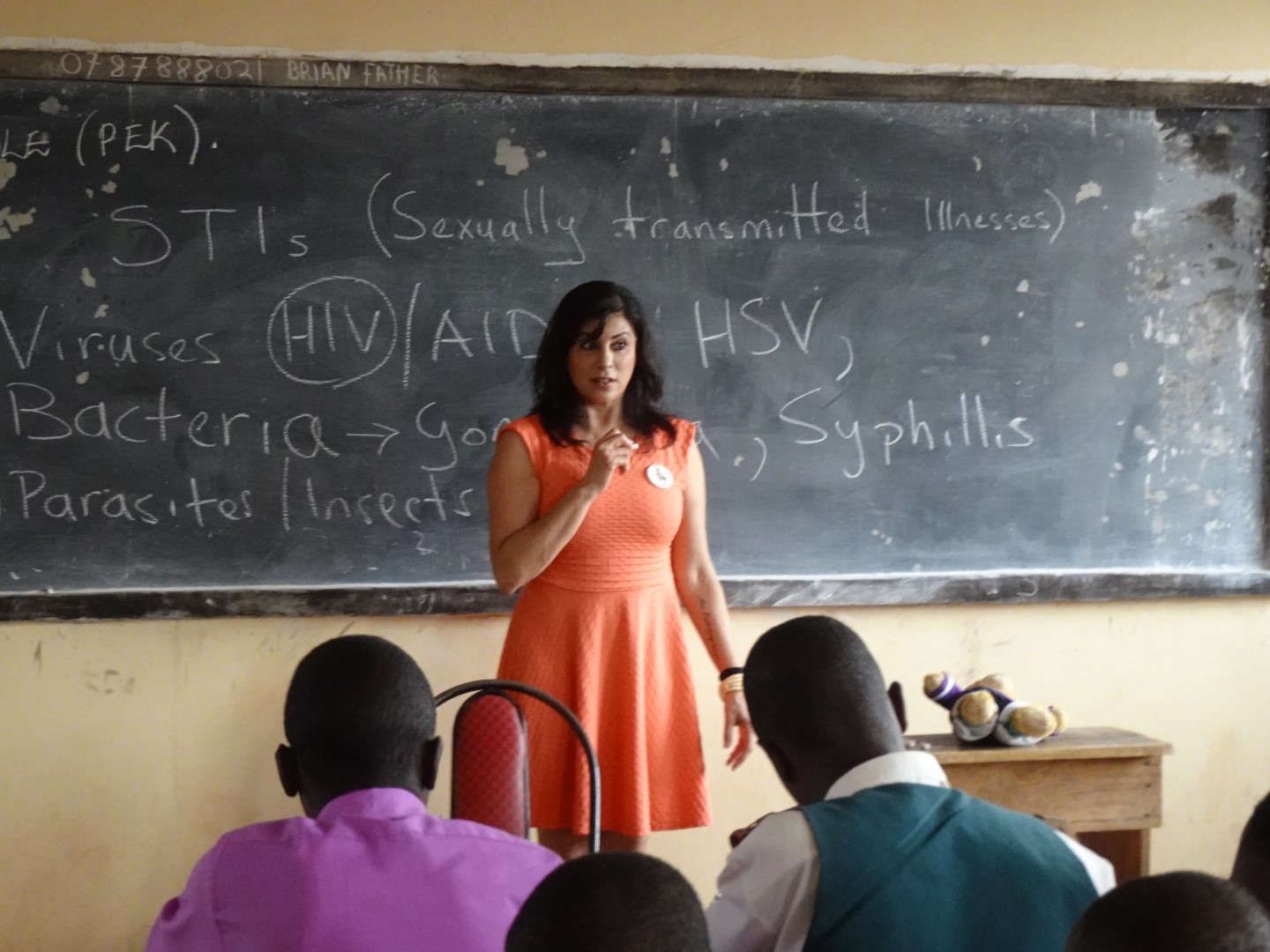
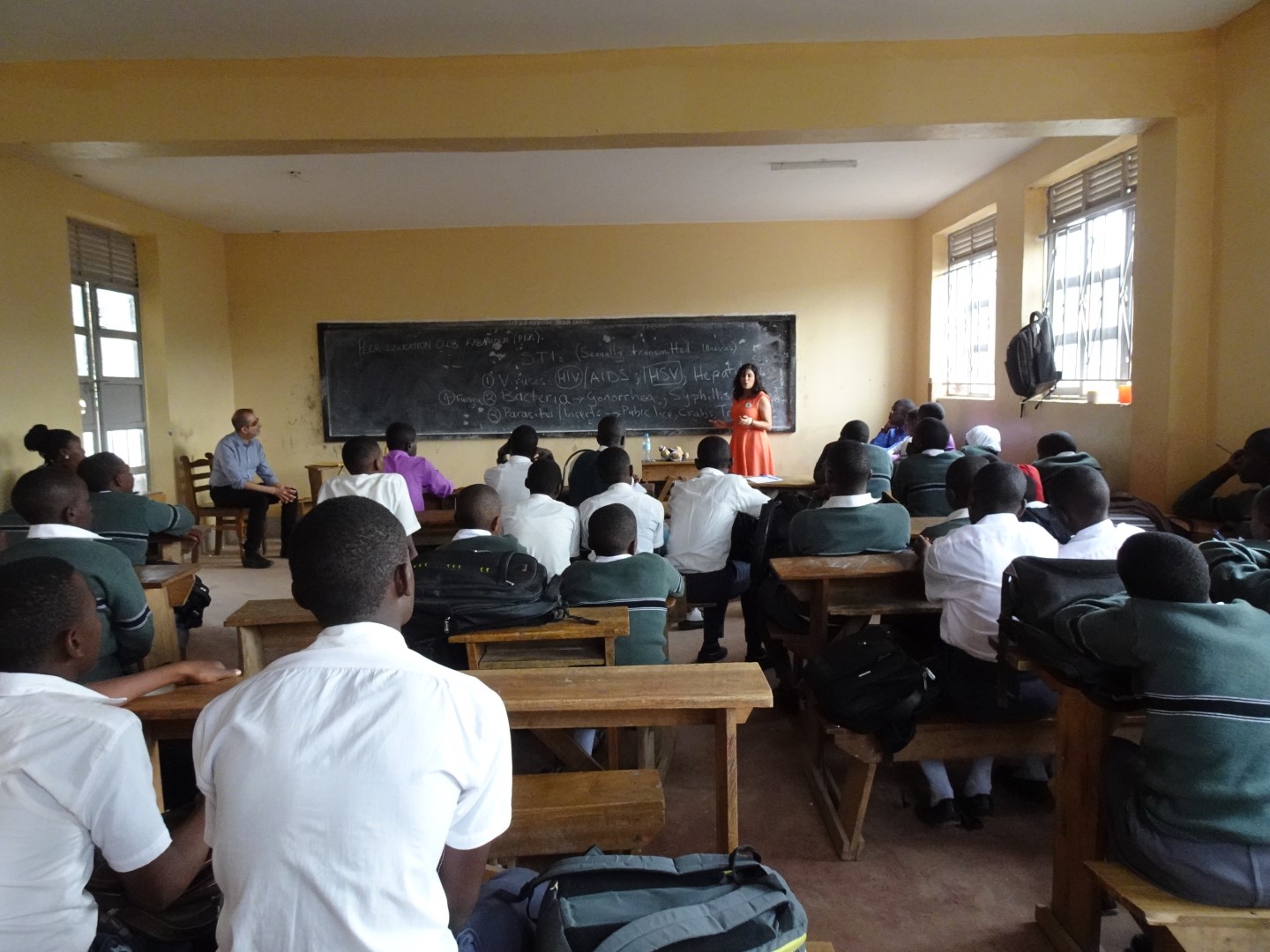
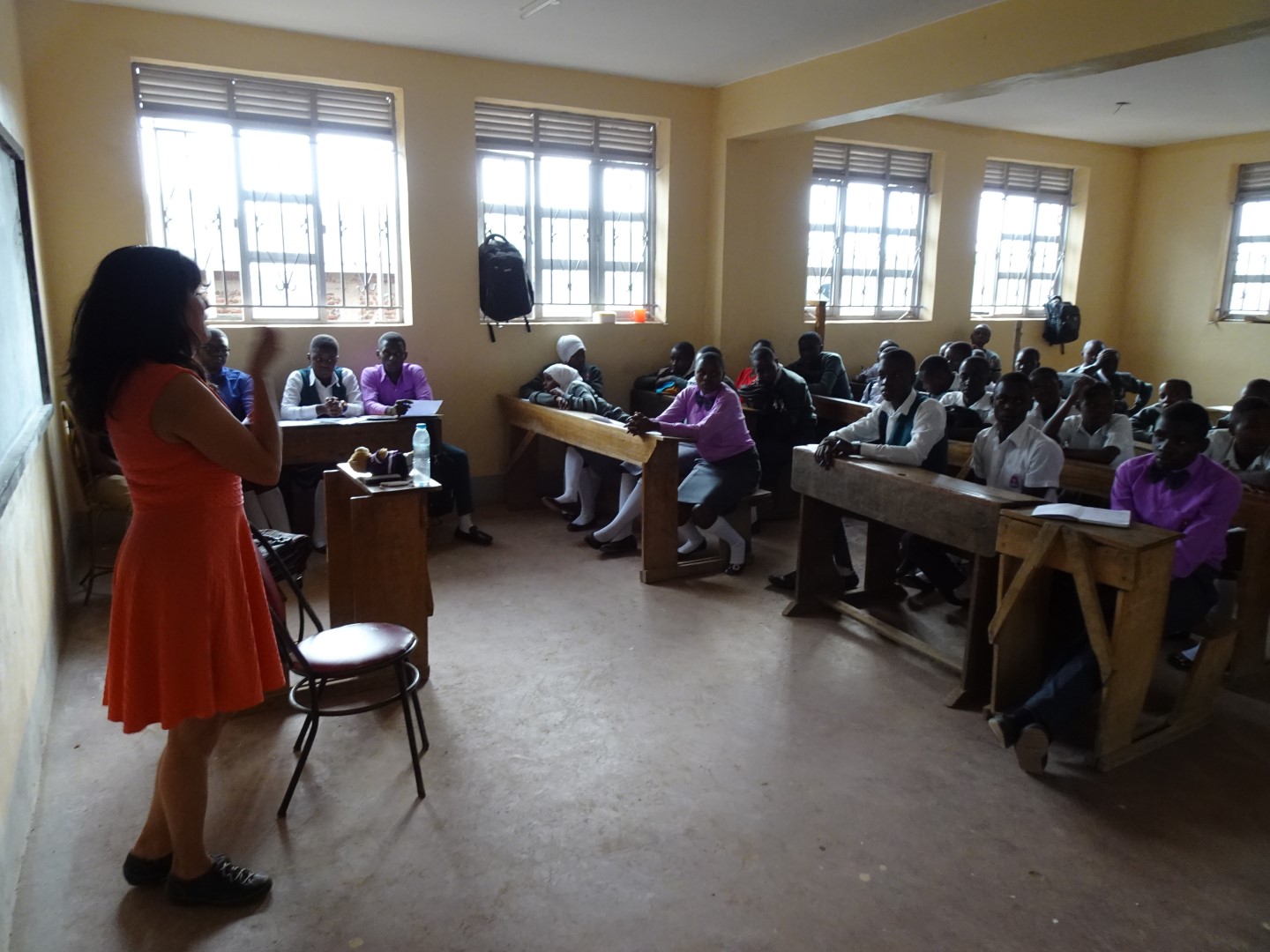
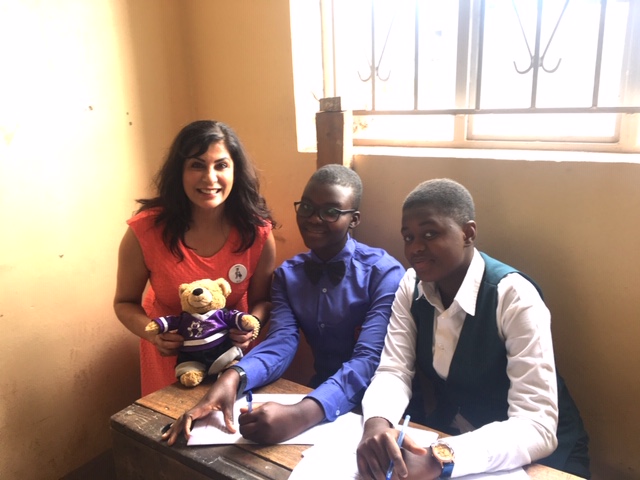
I learnt firsthand about the work that Peer Education Kabarole (PEK) does for 15 schools in western Uganda. I was given my first exposure to do an impromptu presentation to a local secondary school in Fort Portal that is affiliated with PEK and teach the students about STIs. The students were bright and inquisitive and engaged. There was no electricity and the classrooms didn’t have any lights and certainly no AV system. But the students remained attentive for an entire hour whilst I did the presentation, using the chalkboard, to explain all the different types of STIs along with symptoms and treatments as well as the importance of prevention. Despite the fact that it was late on a Friday afternoon, they wanted to stay and ask more and more questions. What was most humbling for me was that at the end of the session, they all said prayers for our team and invited us back for more sessions. And agreed to take up the mammoth task of educating the rest of their peers. That moment alone was worth the entire journey. By no means am I naive enough to think that all it will take to reduce the incidence of STIs is a few sessions on safe sex practice. But if only 25% of them of hear what we have to say, it will be worth it.
I can see why the CEO feels compelled to continue his work in Uganda. I have been scheduled to do many more presentations to the various schools supported by PEK and I am very much looking forward to this opportunity.
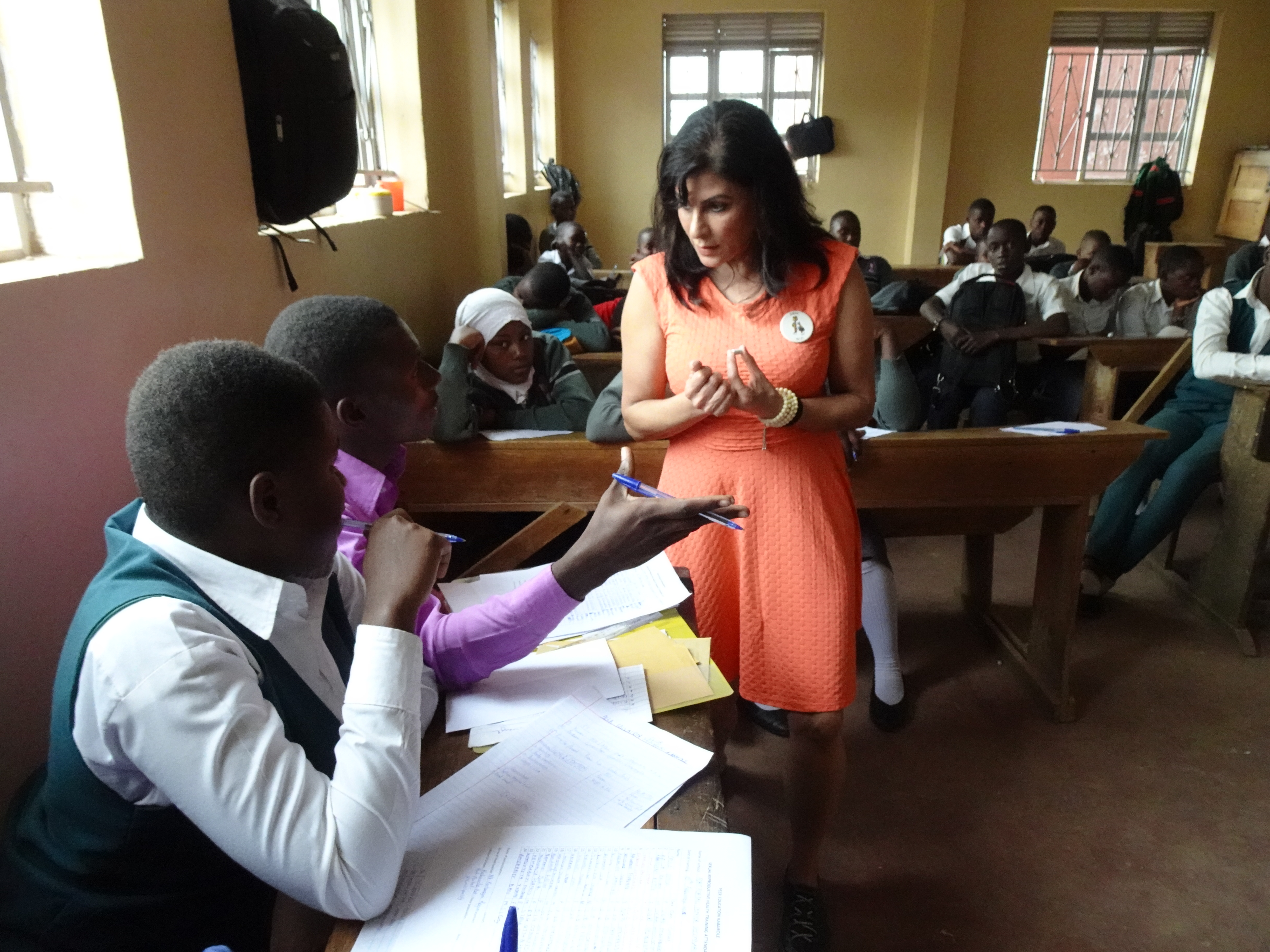
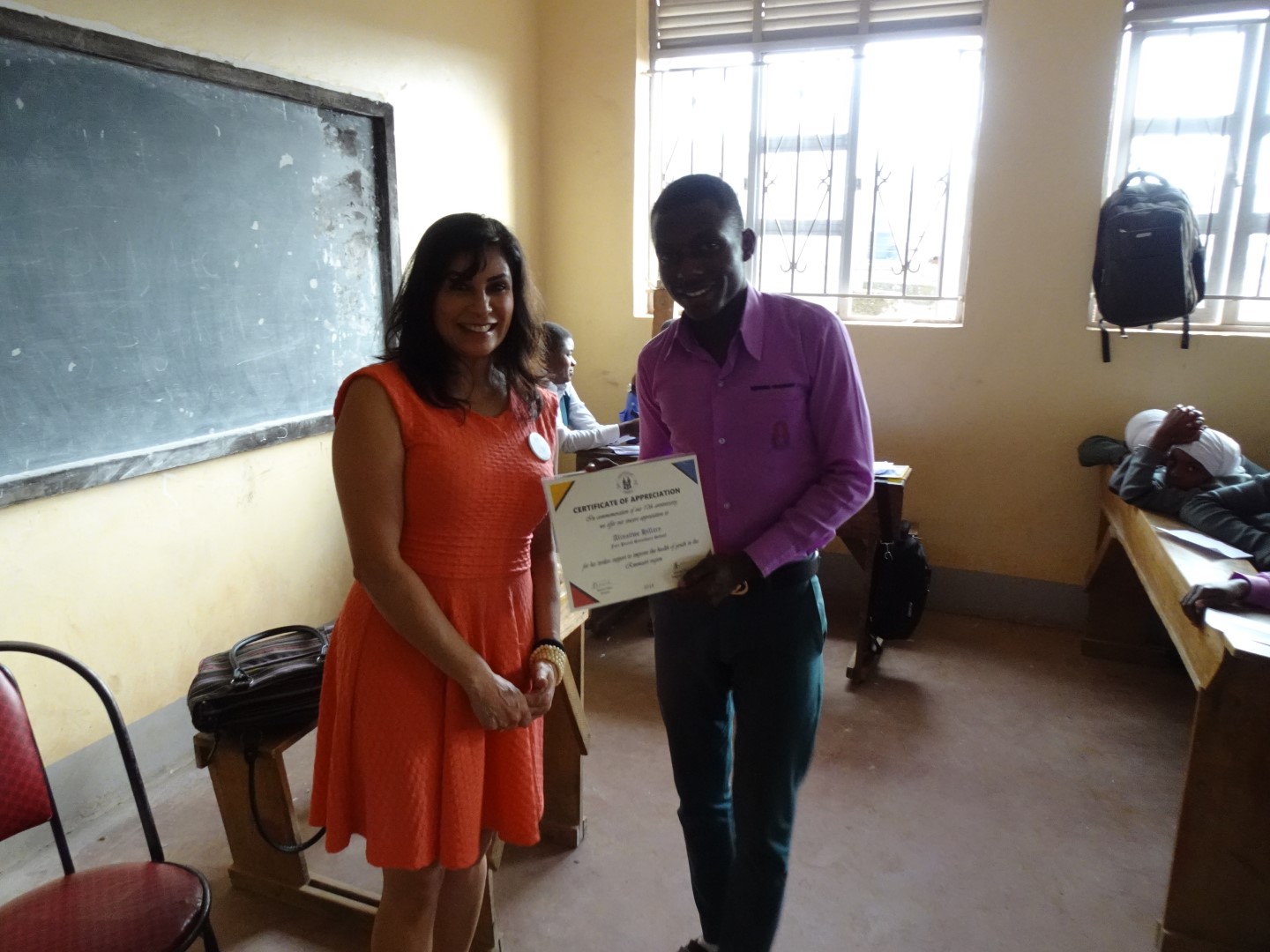
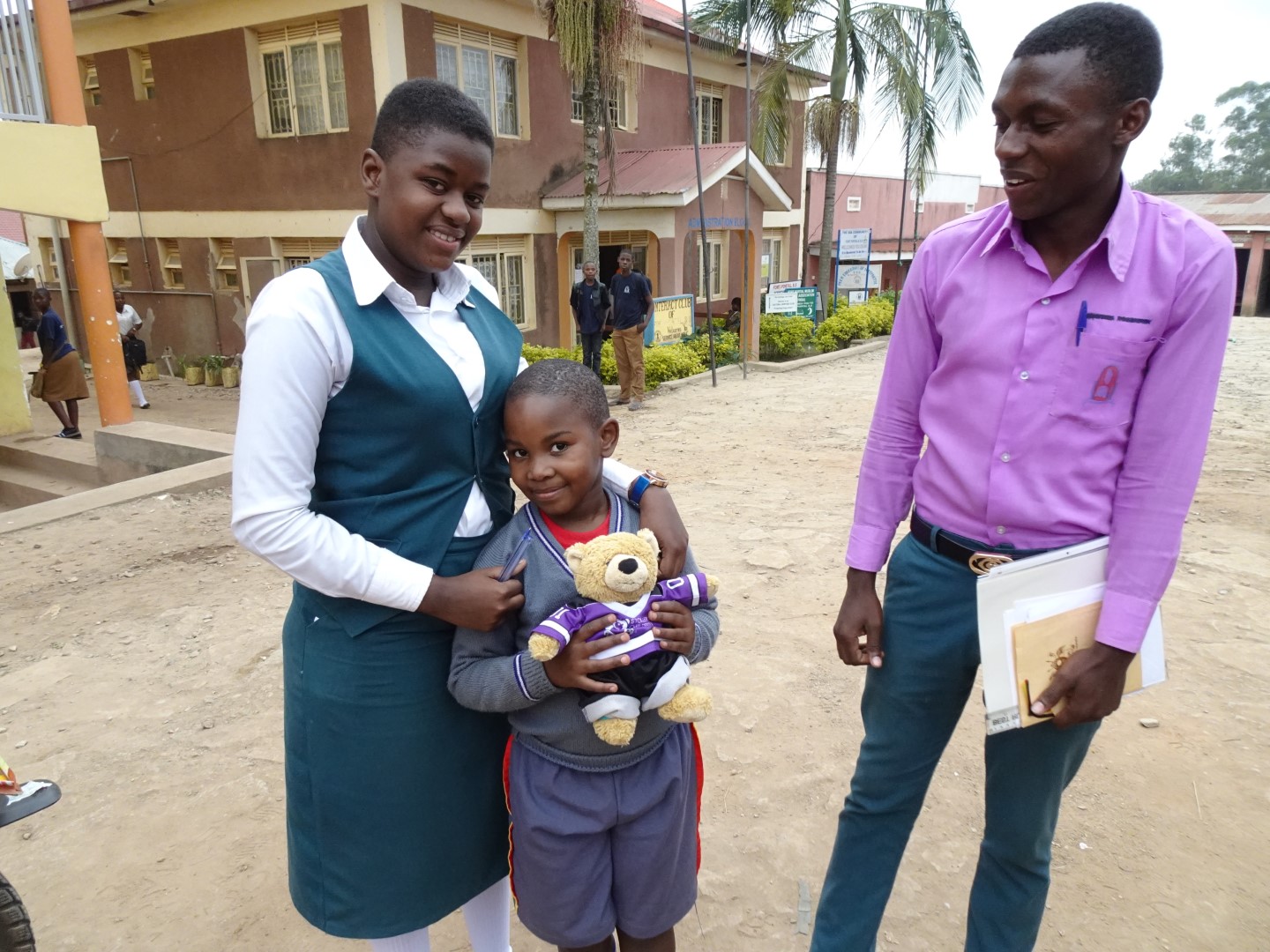
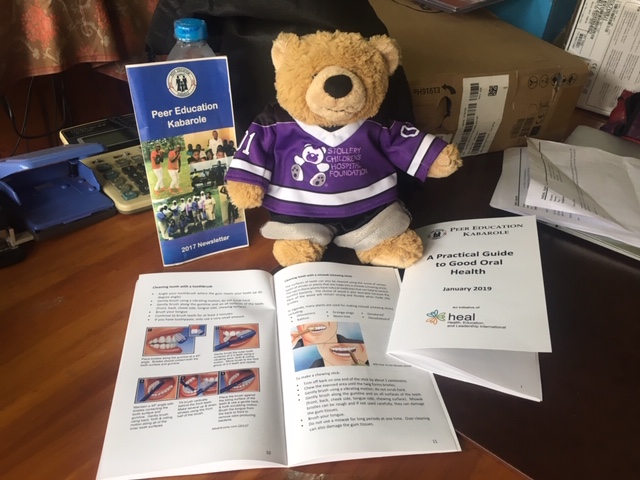
In summary, Peer Education Kabarole is a school-based peer education program operating as a community-based organization in the Kabarole District, western Uganda. The program aims to improve students’ reproductive health by using student peer educators to provide information on topics such as HIV, AIDS, sexually transmitted infections (STIs), pregnancy and relationships, and in doing so, equip students with the ability to make decisive choices that position them for long and healthy lives.
PEK originated through a research collaboration between students in Ugandan secondary schools and the University of Alberta which led to the formation of school-based clubs to help students gain better sexual health knowledge and avoid the common health and social problems facing Ugandan adolescents. In early 2008 the initiative became formalized as Peer Education Kabarole. It presently operates in 15 secondary schools within the district.
Under the approval of each school’s administration, the peer educators organize themselves within their school as a club. Student leaders are elected and one or more teachers act as a resource and overseer to the peer educators. PEK equips peer educators with knowledge and skills through training activities at the schools, an annual district-wide workshop, print materials, and by facilitating access to other information resources within the community. Peer educators engage with their peers using a variety of educative activities (such as drama, songs, posters and debates) and counseling support services.
HEAL International provides financial, technical and administrative support for this program. Financial support is necessary for the outreach programs and training to continue in Uganda.
 AJ Bear's Travels
Thanks for sharing the pictures.Keep up the good work.
LikeLiked by 1 person
Salma. Proud of YOU. Be saf, happy and at Peace.
LikeLike
thank you Bro!
it’s hard work and the days are long – but it’s so worth it.
every penny spent on this project is making a big difference.
LikeLike
How awesome .. wonderful you are educating these young people .. giving them a chance at a better life. 💝 a true gift.
LikeLike
thx Christa! I’m putting on my best teacher hat courtesy of Kelly and AJ
LikeLike
That is awesome! Please continue to share stories and pictures.
LikeLike
I will!! when i can get wifi lol!
not so possible as we go to the remote places.
LikeLike
Commendable work and dedication Salma. AJ would be so pleased.
Hugs!
Linda
LikeLiked by 1 person
Great job Salma. So proud of you.
It is so important to educate the children. What a wonderful dedication to AJ. Allah bless.
LikeLike
thank you so much Rozy!
I am feeling very blessed to have been given the opportunity to help out in any way that I can.
LikeLike
Wow mom that looks awesome!!!! You’re in your zone! What a throw back with those uniforms right?!
Im so happy you are enjoying this experience
LikeLiked by 1 person
Amazing moments Salma and what a powerful impact you are making. Sooooo proud of you girl ….. gooooodddaaa jobaaaaaaa 🤗🙌❤️
LikeLike
awww- thank you Bro. Missing you lots
LikeLike